

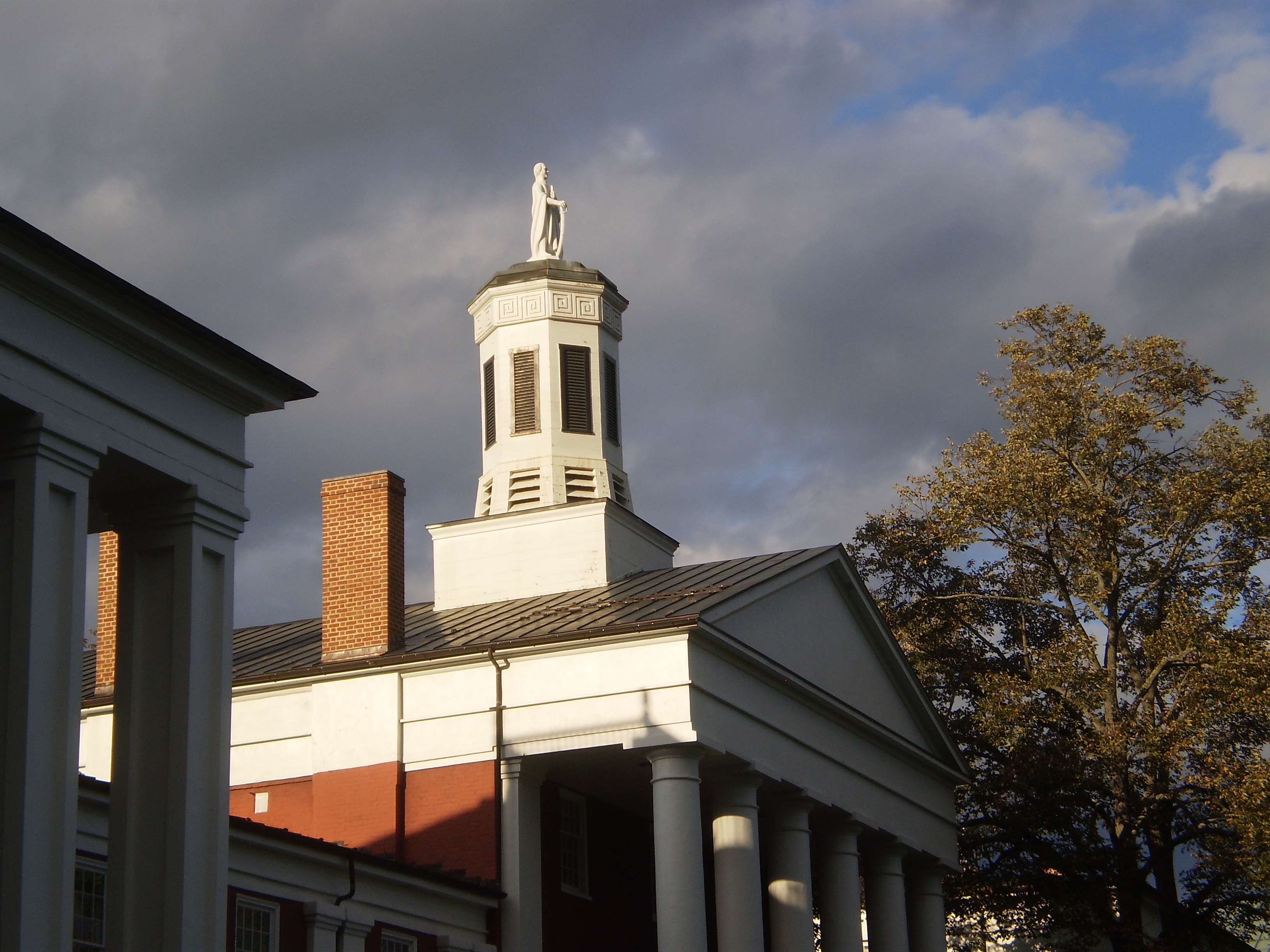
I talk a lot about monuments here — often about what the people who put them up were saying. That's one of the reasons I so love the Gettysburg battlefield — the monuments are everywhere and they also contain a lot of text telling us what they're doing there. Right now, though I want to talk about what purposes antebellum Americans thought monuments had served in the past and how they thought about monuments in Europe. J.W. Holcombe gave a graduatation address at Washington College in 1857 that dealt with how different the US was from Europe — in large part because of our different histories and our different economies. He also focused, though, in particular on how Europe had different physical monuments from us and suggested those differences mattered as well.
The gradual elevation of the middle orders to power and importance had been attended with an increasing desire for civil and religious liberty, and a fierce and implacable hatred of those, who, for so many centuries, had trampled with ruthless violence on the inalienable rights of humanity. … The throne was no longer near to dazzle and terrify by its splendid power; around them were no monuments to give to the institutions of tyranny the dread and solemn sanctions of antiquity; no pyramid, built up in remote centuries, unpierced by a single gleam of traditionary light, towered before them, bearing upon its gloomy front the bloody records of former crime and oppression; no stately castle, within whose embattled walls had lived and move the beauty, the chivalry, the aristocracy of long-buried generations, reflected down upon the solemn shadow of the mighty Past; no hoary cemetery, within whose hallowed precincts were contained the emblazoned tombs of princes and nobles remembered only for their vices, of sovereigns at whose death no tears were shed, of orators who were ever the ready apologists of tyranny, of scholars who were the pensioned flatterers of power, of poets who profaned the high gift of genius to pamper the vices of a profligate and dissolute court ….
This is yet another piece of evidence that could and should have gone into property and progress. It'll make it into the next iteration of that work.
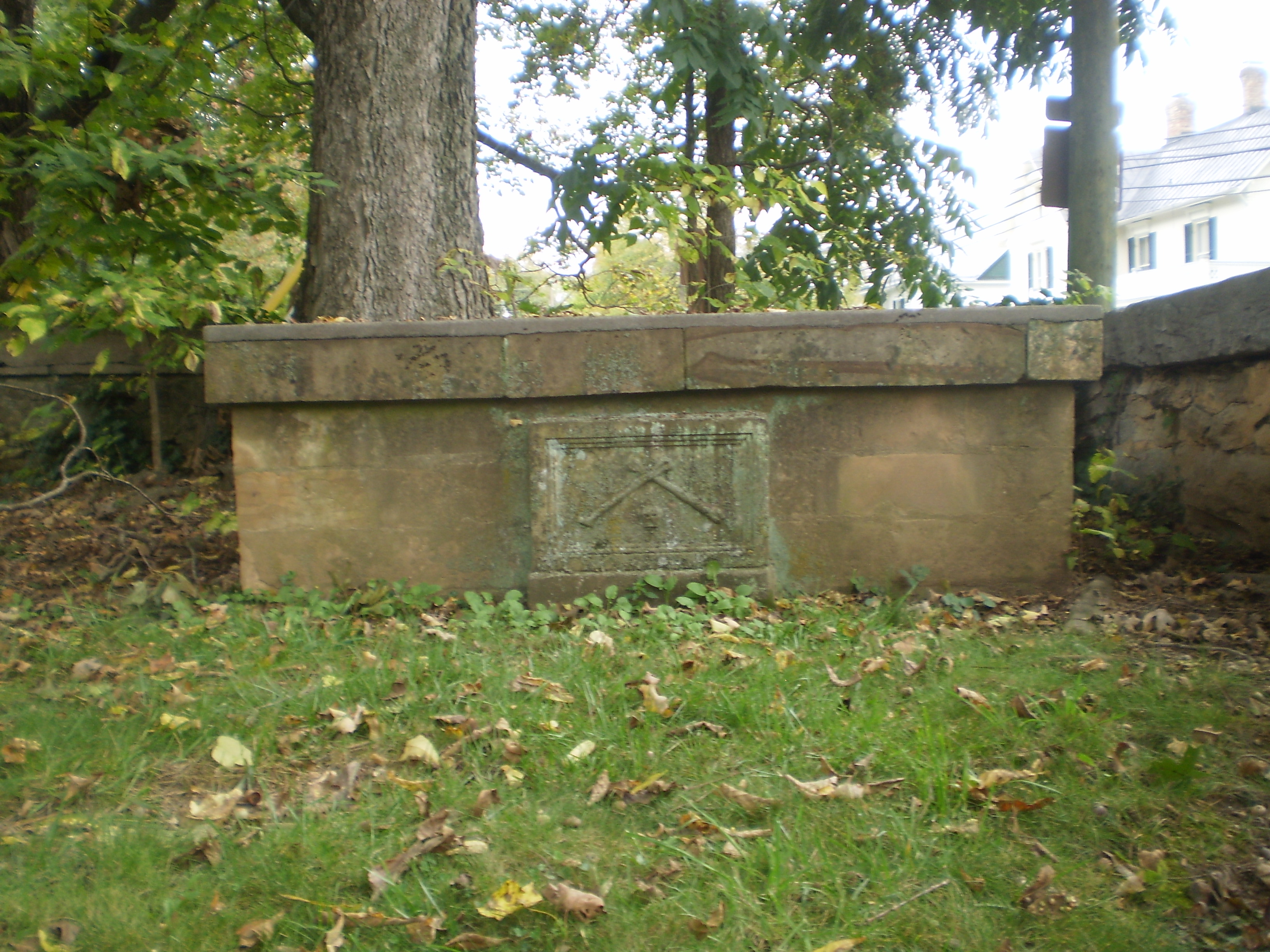
At right I have a picture of one of older parts of the Lexington Cemetery — perhaps we now think a little differently about graves in this country than we did when Holcombe was speaking?!