

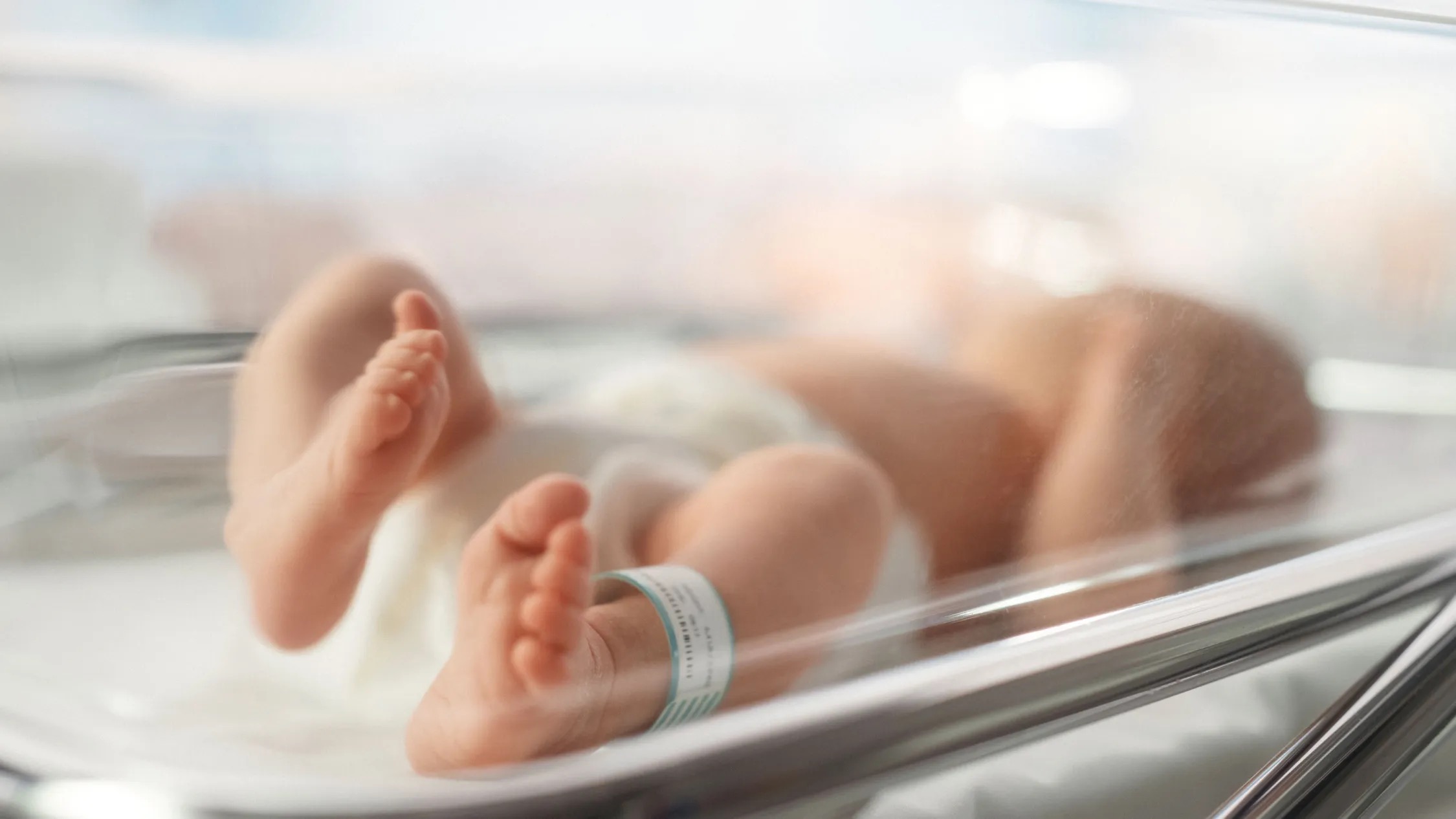
 The MIT Technology Review has an interesting history of what are often referred to as three-parent babies, though many scientists consider that term misleading. From the article:
The first were reported back in the 1990s. Jacques Cohen, then at Saint Barnabas Medical Center in Livingston, New Jersey, and his colleagues thought they might be able to treat some cases of infertility by injecting the mitochondria-containing cytoplasm of healthy eggs into eggs from the intended mother. Seventeen babies were ultimately born this way, according to the team….
But two fetuses appeared to have genetic abnormalities. And one of the children started to show signs of a developmental disorder. In 2002, the US Food and Drug Administration put a stop to the research.
The babies born during that study are in their 20s now. But scientists still don’t know why they saw those abnormalities. Some think that mixing mtDNA from two people might be problematic.
Newer approaches to three-person IVF aim to include mtDNA from just the donor, completely bypassing the intended mother’s mtDNA. John Zhang at the New Hope Fertility Center in New York City tried this approach for a Jordanian couple in 2016. The woman carried genes for a fatal mitochondrial disease and had already lost two children to it. She wanted to avoid passing it on to another child.
Read the entire fascinating history here.