

Mark White is chair of the Department of Philosophy at the College of Staten Island/CUNY, where he teaches courses in philosophy, law, and economics. He also writes frequently about ethical themes in comic books, movies, and television.
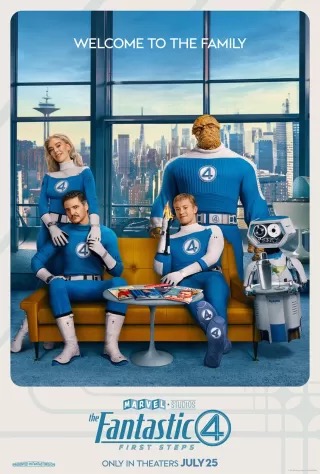
Mark recently had a piece in Psychology Today on superheroes and tragic dilemmas, with the most recent example drawn from The Fantastic Four. Says Mark:
The most well-known tragic dilemma is the trolley problem. In the classic presentation, a trolley with faulty brakes is racing toward a broken portion of track, which will cause the trolley to crash, killing all five passengers aboard. A bystander has the opportunity to throw a switch that will divert the trolley to another track before it crashes—but the innocent person on the other track won’t have time to move if the trolley is diverted, and will be killed.
The trolley problem is a thought experiment that, among other things, tests moral intuitions by presenting a particular tragic dilemma and asking: Would you act to kill one person to save five? . . .
As usually presented, tragic dilemmas like the trolley problem have only two options; there is no third way out. Certainly, this is the choice a superhero’s foes like to present: “You have to choose, Spider-Man: save either your precious Mary Jane or this busload full of schoolchildren, mwa ha ha!” But one of the hallmarks of a superhero is that they find a way to rise above the tragic dilemma, refusing to accept the terms of the “deal,” and finding their own solution that saves everybody.
Read the whole thing here.